Where Nobody Was Watching: The Micro-Venues Quietly Building Tomorrow's Culture
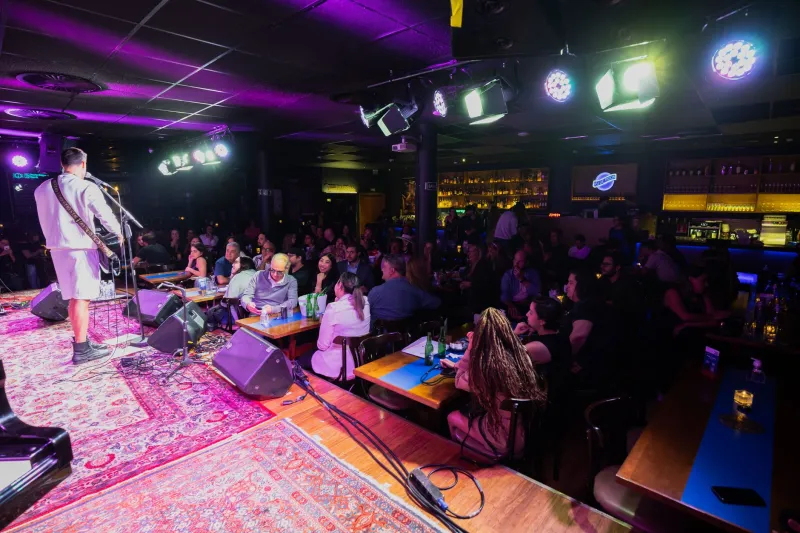
There's a show happening tonight that you will never hear about. It's in a basement in Pittsburgh with a low ceiling and a PA system held together by duct tape and goodwill. Forty people will attend. Someone will film three minutes of it on their phone and decide not to post it. And by any reasonable metric, nothing happened.
By any reasonable metric, everything happened.
The 92 Percent Problem
Here's the uncomfortable math of American culture: the overwhelming majority of it never touches a review, a playlist editorial, or a local news segment. Call it the 92 percent — the vast bulk of creative output that exists in rooms too small to register on anyone's radar. The instinct is to pity these spaces, to see them as waiting rooms on the way to something bigger.
That instinct is wrong. The 92 percent isn't the farm system for real culture. It is real culture. The innovation you'll consume in three years is being beta-tested right now in a rented VFW hall in Ohio and a 35-person Discord that requires an application.
Why? Because small rooms remove the single biggest obstacle to creative risk: an audience that matters. When nobody in the room has a platform, nobody in the room performs for the platform. The experimental sets, the weird hybrid genres, the zines about subjects no advertiser would touch — they come from spaces where the downside of failing is a shrug from 30 friends.
Built Different, On Purpose
Spend enough time around micro-venues and you notice they share a strange trait: they've had every opportunity to grow and declined.
The 40-seat theater in Portland that could sell 200 tickets but caps at 40. The listening party that happens monthly in the same living room and has never once been promoted publicly. The invite-only server where the mods deliberately slow down membership approvals. These aren't failures of ambition. They're design decisions.
The economics are counterintuitive but workable. A micro-venue doesn't need a big night — it needs a sustainable one. Forty seats at a fair price covers the rent split, pays the artist something real, and leaves everyone wanting more. Compare that to the mid-size venue death spiral: 300-cap rooms across the country are closing not because they lack demand, but because the overhead of being sort of big is brutal. Small rooms don't have that problem. Their costs are basically zero, and their currency is intimacy.
The Growth Trap, Sidestepped
Every niche community on this site has wrestled with the same curse: success ruins the thing. Growth brings strangers, strangers change the norms, the norms kill the magic. It's the cruel math we've covered before — get loud and your core leaves.
Micro-venues have a cheat code. They never cross the threshold. The basement show that stays a basement show never has to have the conversation about whether newcomers are ruining it, because the newcomers can physically fit in the room. Scarcity isn't a bug; it's the thermostat keeping the culture at the right temperature.
There's a version of this online, too. The healthiest niche Discords tend to be the ones that quietly cap membership or gate entry behind a genuine vetting process. Not gatekeeping in the hostile sense — more like a bouncer who knows everyone's name. The room stays legible. Everyone knows the inside jokes. The culture stays dense enough to be worth joining.
How They Actually Survive
No grants. No sponsors. No algorithm. So what keeps these spaces alive?
Mostly, three things. First, under-the-table mutualism — the sound tech who works for a slice of the door, the artist who crashes on the host's couch, the person who shows up early with a folding table and a case of seltzer. Second, low expectations treated as a feature: nobody's trying to quit their day job off a 40-seat room, so nobody burns out chasing a tour that can't sustain them. Third, and most importantly, repetition. The monthly show. The weekly listening session. The ritual matters more than any single event.
That repetition is also why these rooms punch so far above their weight culturally. Ideas need iterations to get good. A band that plays the same basement twelve times can experiment twelve times. An artist with one viral moment gets exactly one swing.
You Were There and Didn't Know It
Here's the part people forget: almost every cultural moment you love was born in a room like this. The comedy special that felt like it was speaking directly to you? The writer started at a mic night with nine people in the audience. The album that soundtracked your twenties? Tracked in a space smaller than your dentist's waiting room.
The 92 percent doesn't want your attention. That's kind of the point. But if you ever get invited to a show in a room that barely exists — go. That's not a warm-up act. That's the main event, and most people just haven't been told yet.