You Already Know It'll Suck. You'll Buy It Anyway.
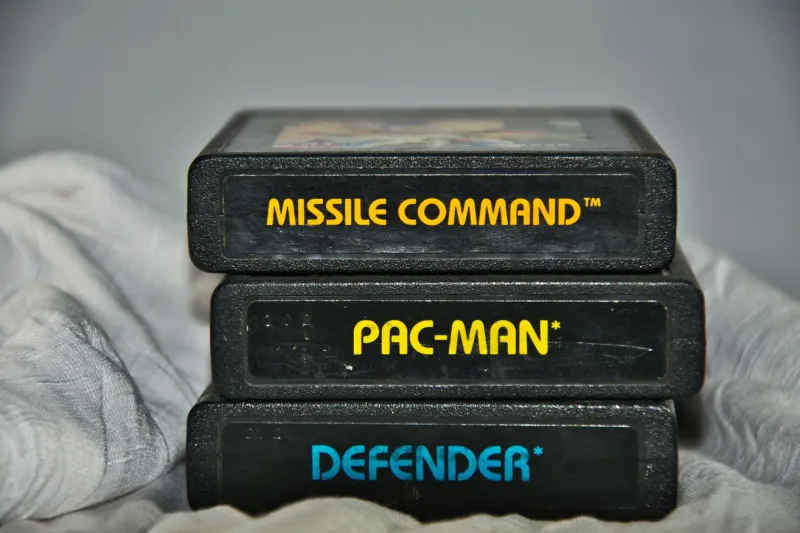
Somewhere right now, a niche community is in the middle of a very familiar argument. Half the forum is furious about a remaster, a reboot, or a "spiritual successor" that clearly doesn't understand what made the original special. The other half already preordered it.
Both sides are right. And neither one is going to stop the cycle.
This is the loop that nobody talks about cleanly — the moment when a fanbase that prides itself on taste, specificity, and gatekeeping turns around and throws forty dollars at something they know is a pale imitation. It happens constantly. It happens predictably. And understanding why it happens says something uncomfortable about how niche communities actually work.
The Original Was Never Coming Back
Let's start with the honest part. When a beloved property dies — a cult video game studio shuts down, a weird little animated series gets canceled, an indie label stops putting out records — the thing that made it special usually dies with it. The specific combination of people, budget constraints, cultural timing, and creative desperation that produced the original isn't reproducible. Most longtime fans know this on some level.
But knowing something intellectually and feeling it emotionally are two completely different circuits. Niche communities run on emotional memory. The original wasn't just a product — it was a period of your life, a group of people you found, a feeling of finally being seen by something. The object itself became a container for all of that.
So when a revival shows up — even a cynical, clearly underfunded, wrong-studio revival — it's not really selling you the game or the album or the show. It's selling you access to the container. It's offering a doorway back to the feeling, even if the room behind it is completely different now.
That's a much harder thing to resist than a product.
The Geometry of False Hope
Here's where the 92 Circles lens actually helps. Niche culture doesn't move in straight lines. It orbits. Communities cycle through peaks and quiet periods, through dispersal and regrouping. And revivals — even bad ones — function as focal points for communities that have drifted apart.
When a cash-grab remaster drops, what it actually does is pull scattered fans back into the same orbit temporarily. Old forum threads get bumped. Discord servers spike in activity. People who haven't talked in years suddenly have something to talk about, even if that something is collectively dunking on how bad the new version is.
The revival doesn't have to be good to serve this function. It just has to exist. It has to be something happening inside the circle that used to mean everything.
This is why the pre-order happens even when the cynicism is loudest. Buying the inferior product isn't really about the product. It's a social action. It's re-entering the room.
What the IP Holders Actually Know
The companies and rights-holders behind these revivals are not stupid. Some of them are cynical, sure, but the smarter ones understand something specific about niche audiences: the more devoted the original fanbase, the more emotionally loaded the property, the less quality actually matters on the front end.
Niche fans will rationalize a bad product longer than a casual audience will. They'll blame the publisher instead of the game. They'll say it had potential. They'll mod it, patch it with community fixes, build elaborate explanations for why the core ideas were sound even if the execution failed. A mainstream audience walks away. A niche audience argues about it for three years, which keeps the property alive in the cultural conversation and often drives additional sales.
The cash-grab is designed for exactly this behavior. Minimum viable nostalgia. Just enough surface-level accuracy to trigger recognition — the right font, the right sound effect, a character that looks approximately correct — without the expensive, difficult work of actually understanding what made the original resonate.
It's a geometry problem, really. They're drawing a circle that's almost the same shape as the one you remember, banking on the fact that your brain will fill in the gaps.
The Fan Who Knows Better
The most interesting figure in all of this isn't the naive buyer. It's the person who knows it's going to disappoint and buys it anyway, then reviews it honestly afterward.
This is extremely common in niche spaces. Go find any community for a beloved defunct property and look at the response to its most recent revival attempt. You'll find detailed, thoughtful, often heartbroken write-ups from people who opened with "I knew this would probably miss" and then spent two thousand words explaining exactly how and why it missed. These aren't suckers. These are people who made a deliberate choice to engage with something they were skeptical of, processed the disappointment in public, and contributed that processing to the community's collective understanding.
There's something almost ritualistic about it. The bad revival becomes a shared experience of loss — a way of collectively mourning the original all over again with fresh language. The community doesn't just survive the disappointment. In a weird way, it needs it.
When the Loop Actually Breaks
Occasionally — rarely, but it happens — a revival lands right. A remaster that actually does the work. A spiritual successor with the right team. A reboot that understands the assignment in ways nobody expected.
And here's the strange thing: communities often don't know how to handle it. The whole emotional infrastructure was built around longing. When the longing gets genuinely satisfied, the loop that held the community together loses its tension. Some of the most beloved, well-executed revivals have actually fragmented their fanbases more than the bad ones did, because the bad ones gave everyone something to agree on.
The inferior remake keeps the circle spinning. The good one sometimes just... ends the orbit.
So You're Buying It
If you're in a niche community with a dead favorite and there's a revival on the horizon, you probably already know what you're going to do. You've read the early previews. You've seen the screenshots. Something in your gut is already skeptical.
You might buy it anyway. That's fine. Just be clear-eyed about what you're actually purchasing. You're not buying the original back. You're buying a ticket to a temporary reunion, a shared moment of hope and probably disappointment, and a reason to be in the same room with the people who get it.
That's worth something. It's just not worth pretending the product is better than it is.
The circle keeps moving. The next revival is already in development somewhere. And the community will be there when it drops — skeptical, hopeful, wallets open.