Count the Chairs: Reading the Early Warning Signs Hiding in Empty Rooms
Scenes don't die in arguments. They die in attendance figures that nobody bothers to read until it's too late.
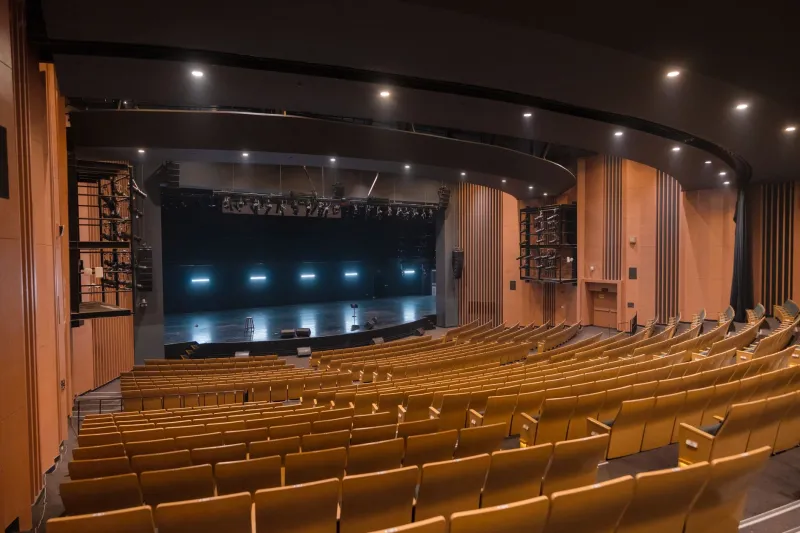
Every collapse you've watched play out in public — the festival that downsized, the label that went quiet, the weekly party that "went on hiatus" — had a lead time. And in almost every case, the earliest warning wasn't a feud or a think piece. It was chairs. Empty ones, showing up weeks or months before anyone said anything out loud.
The Bounce Rate Tells You First
If you run anything — a night, a venue, a Discord, a label — you have access to a truth serum that discourse can't touch: raw participation data.
Start with your Discord. Don't look at member count; member count is vanity. Look at the ratio of members who've posted in the last 30 days versus 90 days ago. A community of 4,000 where 60 people talk is quieter than a community of 800 where 200 do. That curve flattens long before anyone complains. In music production circles, the same trick works with sample pack drops or beat battle entries: participation per capita is the metric, and it leads sentiment by a full cycle.
Live events are even more legible. Track not just heads through the door but re-attendance — how many faces came back from last time. A room can hold its numbers for months on first-timers while its core quietly stops showing up. When the regulars go, the clock's already running.
Merch Math Doesn't Lie
Sell-through rates are the second signal, and they're beautifully hard to fake. Hype can move units once. But the ratio of merch sold per attendee tells you about conviction, not curiosity.
A scene where 15 percent of the crowd buys a shirt is a scene with believers. Watch that number, not the gross. When the headliner still draws but the tee table stalls, you're looking at an audience that's showing up for a name, not a community — and names leave. Same logic applies to Bandcamp Friday spikes versus month-over-month steady sales. Spikes are weather. Steady numbers are climate.
The Discourse Delay
Here's the pattern I've watched repeat across half a dozen niche scenes: the data turns first, behavior turns second, discourse turns last — usually six to twelve months later, right on schedule.
Attendance dips quietly. Then the regulars start hedging ("I might be late," "can't make this one"). Then the lineup gets weird — big names propping up weak weeks. Then someone posts the thread asking if the scene is dying, and everyone acts like the question came from nowhere. It didn't. The chairs asked it first.
This lag is actually good news if you're paying attention. Because declining attendance doesn't always mean death — in the cyclical world we cover here, it often means rotation. The scene isn't ending; it's contracting into the smaller room where the next version gets built. The data tells you which kind of dip you're in: a slow bleed of core regulars with flat newcomer numbers is contraction. A sudden drop after a spike is just the tourists going home.
Audit Your Own Scene
Want to run this on your own niche? Three checks, ten minutes:
The 90-day pulse. Open your community space and count who's posted in the last month. Divide by total members. If that ratio has halved over two quarters, you're in contraction — plan accordingly.
The regulars test. At the next event, count familiar faces. If the people who've been there since the start are under a third of the room, the foundation is quietly relocating.
The merch ratio. Divide merch sales by attendance over the last three events. Declining ratio with steady attendance means you're holding a crowd but losing a congregation.
None of this is doom-mongering. Scenes are supposed to cycle — shrink, hibernate, reappear. But the difference between riding a cycle and getting buried by one is whether you read the room while the room still has people in it. Count the chairs. They've been trying to tell you.